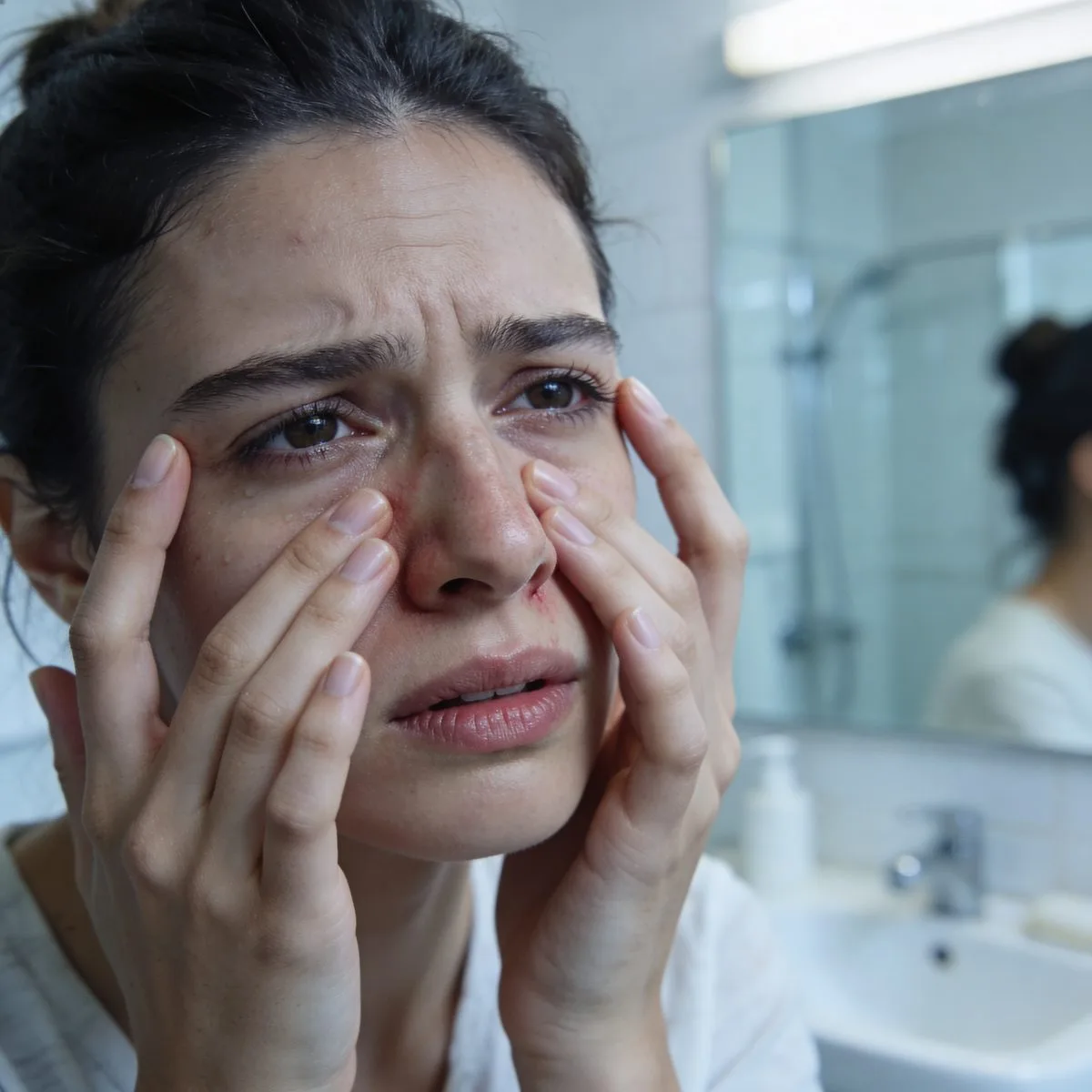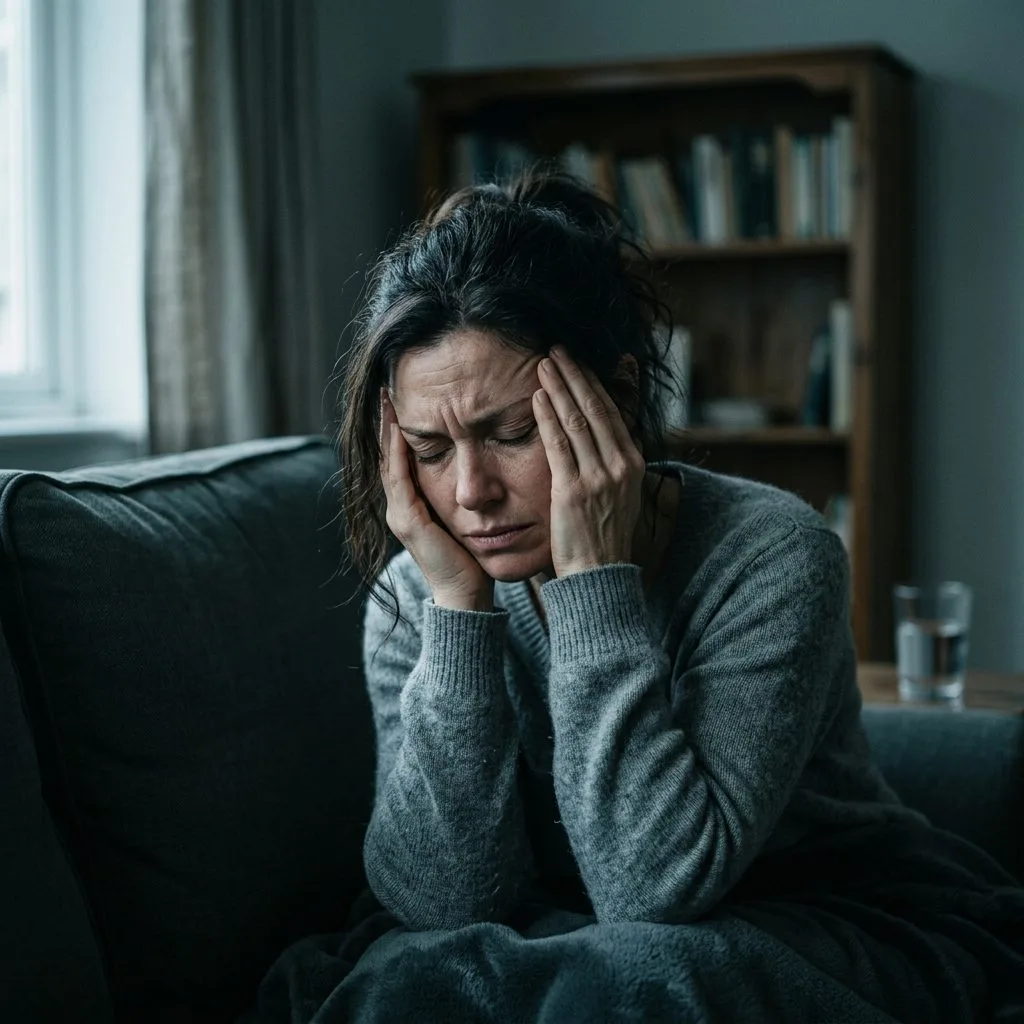
A throbbing, often one-sided headache with nausea and sensitivity to light and sound — sometimes preceded by visual aura — is a migraine. The single most useful step is to treat early, at the first sign: prescription triptans (like sumatriptan) or newer migraine-specific medications stop attacks far more effectively than waiting, alongside resting in a dark, quiet room. If migraines are frequent, preventive medications can reduce how often they hit. A licensed clinician can review your pattern online and send a prescription to your pharmacy the same day.
Seek emergency care if: you have a sudden "thunderclap" headache (worst of your life, peaking in seconds), a headache with fever and stiff neck, weakness or confusion, after head trauma, or any sudden change from your usual migraine pattern — go to the ER immediately.
See a clinician nowWhat is migraine and severe headache?
Migraine is a neurological condition causing recurrent moderate-to-severe headaches, often with associated nausea, light/sound sensitivity, and visual aura. About 12% of adults have migraine. It's the second leading cause of disability worldwide.
Key distinction: migraine vs tension headache vs cluster headache vs medication-overuse headache. Migraine treatment depends on identifying which it is.
Modern migraine treatment is dramatically better than even 10 years ago. Acute: triptans (sumatriptan, rizatriptan, etc.), gepants (rimegepant, ubrogepant), ditans (lasmiditan), or DHE. Preventive (for frequent migraines): beta-blockers, topiramate, amitriptyline, CGRP monoclonal antibodies (Aimovig, Emgality, Ajovy, Vyepti — game-changers), or atogepant.
Do I have migraine and severe headache? Common signs
If most of these describe what you're experiencing, telehealth is a reasonable next step:
What causes it
Migraine is a neurological disorder with complex genetic and environmental components. Triggers vary widely between people: hormonal changes (menstrual migraine), stress, sleep changes, certain foods (aged cheese, processed meats, wine, MSG, artificial sweeteners — though triggers are individual), weather changes, dehydration, caffeine changes, bright lights, strong smells.
Is it contagious?
No.
If you're using over-the-counter painkillers more than 10 days a month, you may be making your headaches worse.
Can it be treated online?
Migraine care is well-suited to telehealth. A clinician walks through your headache history, applies diagnostic criteria, screens for red flags, and prescribes appropriate acute and preventive medications. Refilling existing migraine medications and adjusting therapy are straightforward via telehealth.
New onset severe headache, headache pattern that's different from your usual, or red flag features needs in-person evaluation, sometimes imaging.
How migraine and severe headache is treated
Acute: triptans (sumatriptan, rizatriptan, eletriptan, frovatriptan) are first-line; gepants (rimegepant Nurtec, ubrogepant Ubrelvy) for those who can't take triptans or fail them; ditans (lasmiditan Reyvow) as another option. NSAIDs (naproxen, ibuprofen) can work for mild migraine. Anti-nausea (ondansetron, prochlorperazine).
Preventive (for migraines more than 4 days/month): beta-blockers (propranolol, metoprolol), topiramate, amitriptyline, valproic acid, candesartan. CGRP monoclonal antibodies (Aimovig erenumab, Emgality galcanezumab, Ajovy fremanezumab, Vyepti eptinezumab — IV) for moderate-severe migraine. Atogepant (Qulipta) — oral CGRP receptor antagonist for prevention.
Lifestyle: regular sleep, stress management, hydration, exercise, trigger identification.
Self-care while you wait
- Identify and avoid your triggers — keep a headache diary
- Regular sleep schedule
- Stay hydrated
- Eat regular meals
- Manage stress
- Limit caffeine to moderate consistent amounts
- Avoid medication overuse (more than 10 days/month of acute meds can cause rebound)
- Exercise regularly
- Magnesium supplementation may help
- Consider mindfulness or biofeedback
How long does it last?
Individual migraines last 4–72 hours. With effective acute treatment, you may abort an attack within hours. Migraine is typically lifelong but can be well-controlled. Some people see fewer migraines after menopause; pregnancy often reduces migraine frequency.
Frequently asked questions
How do I know if I have migraine vs tension headache?
Migraine: moderate-severe, often one-sided, throbbing, with nausea/light/sound sensitivity, worsens with activity, lasts hours-days. Tension headache: mild-moderate, bilateral, pressing/tightening, no nausea, doesn't worsen with activity.
What's a medication overuse headache?
If you're using acute migraine medications (triptans, NSAIDs, combinations) more than 10–15 days per month, the medications themselves can cause headaches that won't resolve until you stop the overused medication. We'd work with you to break this cycle.
Are CGRP medications really worth it?
Yes for many people — they're the first migraine-specific preventive medications and reduce monthly migraine days substantially. They're effective in patients who failed multiple prior preventives. The main barrier has been cost/insurance.
Can stress cause migraine?
Stress is a common trigger. Interestingly, migraines often hit during the "let-down" phase after stress (weekends, vacations) rather than during stress itself. Stress management is part of comprehensive migraine care.
Do I need a brain MRI?
Imaging is generally not needed for typical migraine with characteristic features that match your usual pattern. It IS needed for new onset severe headache, change in headache pattern, focal neurologic findings, headache after head trauma, or other red flags.