What is menopause?
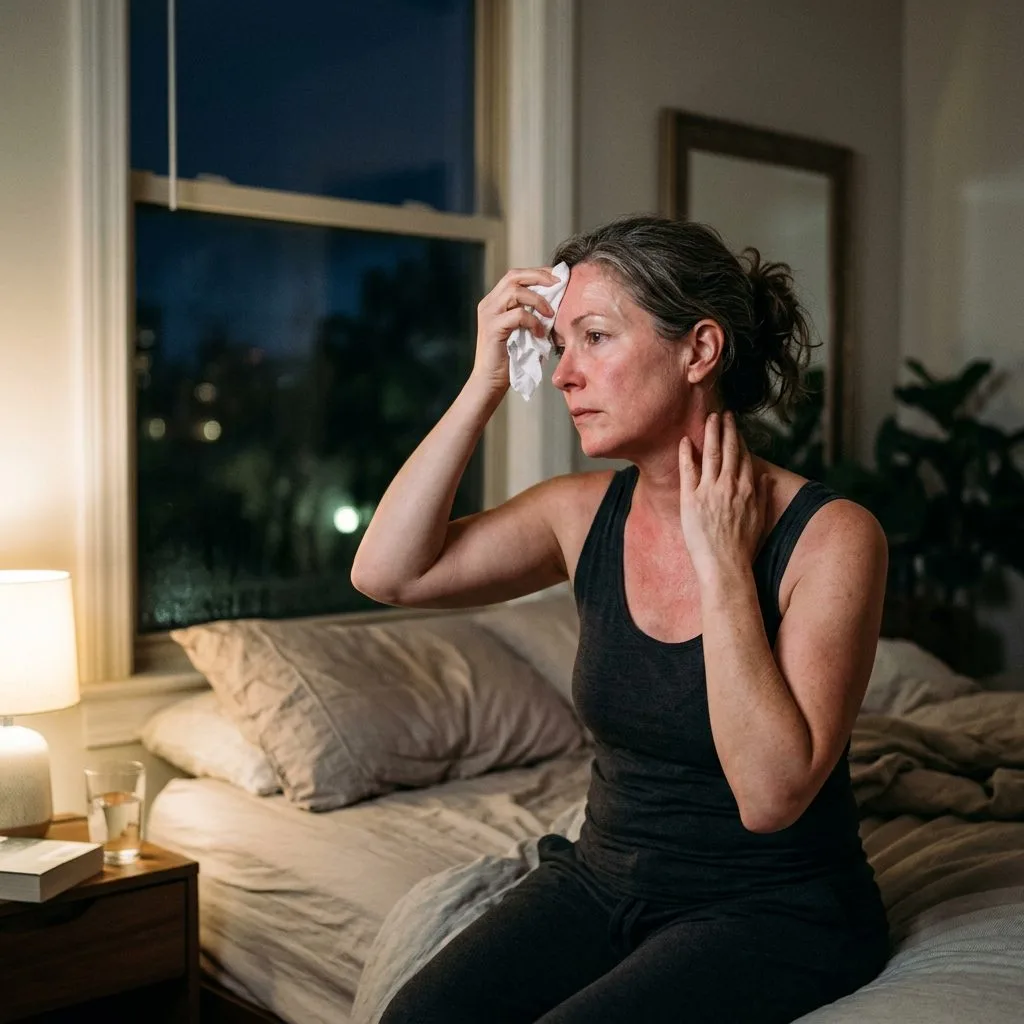
Menopause is the natural cessation of menstrual periods, diagnosed after 12 months without a period. Average age is 51 in the US. The transition (perimenopause) can last 4–10 years and includes hot flashes, sleep disruption, mood changes, and vaginal dryness.
Modern HRT (hormone replacement therapy) is safe and highly effective for symptom relief in most women within 10 years of menopause. The Women's Health Initiative study scared many away from HRT in the early 2000s — current understanding has refined who benefits most.
Do I have menopause? Common signs
If most of these describe what you're experiencing, telehealth may be a good next step:
What causes it
Declining ovarian estrogen production. Surgical menopause from oophorectomy. Some cancer treatments. Premature menopause before 40.
Is it contagious?
No.
The right HRT, started within 10 years of menopause, has excellent risk-benefit for most women — the WHI study scared away a generation of patients who could have benefited.
Can it be treated online?
Standard menopausal symptoms are well-suited to telehealth. A clinician evaluates your history, contraindications, and prescribes appropriate HRT or non-hormonal options. Bleeding after menopause, breast lump, severe symptoms not responding to standard treatment, or complicated histories benefit from gynecology evaluation.
How menopause is treated
Systemic HRT: estradiol (oral, patch, gel) plus progesterone if uterus is intact. Lowest effective dose for symptom relief. Vaginal estrogen (cream, ring, tablet) for genitourinary symptoms only — minimal systemic absorption. Non-hormonal: paroxetine (Brisdelle), gabapentin, fezolinetant (Veozah) for hot flashes. SSRIs/SNRIs also help.
Self-care while you wait
- Dress in layers — easier to manage hot flashes
- Keep bedroom cool at night
- Limit triggers — alcohol, caffeine, spicy food
- Regular exercise improves mood and sleep
- Weight-bearing exercise for bone health
- Calcium 1200mg + vitamin D 800–1000IU daily
- Manage stress
- Pelvic floor exercises and lubricants for sexual health
How long does it last?
Hot flashes average 7+ years untreated. With HRT, can be eliminated. Vaginal symptoms typically persist without treatment.
Frequently asked questions
Is HRT safe?
For most women under 60 and within 10 years of menopause, yes — benefits outweigh risks. Specific contraindications exist (breast cancer history, blood clots, certain cardiovascular conditions). Personalized discussion needed.
Bioidentical vs synthetic hormones?
'Bioidentical' refers to molecular structure identical to body's own — available in FDA-approved formulations (estradiol, micronized progesterone). Compounded bioidenticals lack quality control — FDA-approved versions are safer and equally effective.
How long can I stay on HRT?
No arbitrary stop date. Many women stay on long-term for symptom and bone benefits with periodic reassessment.
Will HRT help me lose weight?
Not directly, but it can help maintain muscle and address sleep/mood issues that affect weight.
What about plant-based or natural options?
Phytoestrogens (soy, red clover, black cohosh) have weak to modest evidence. Acupuncture has some benefit. None match HRT's effectiveness for moderate-to-severe symptoms.