What is anxiety?
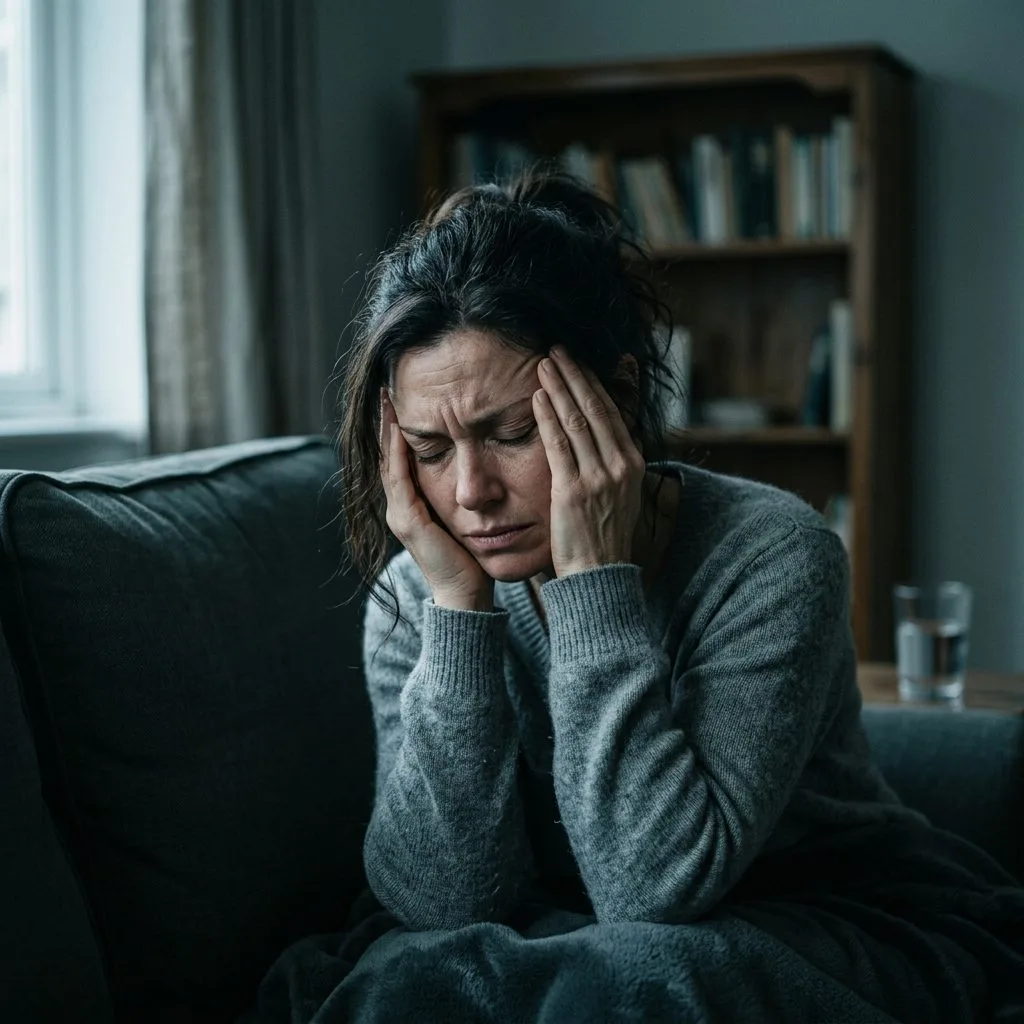
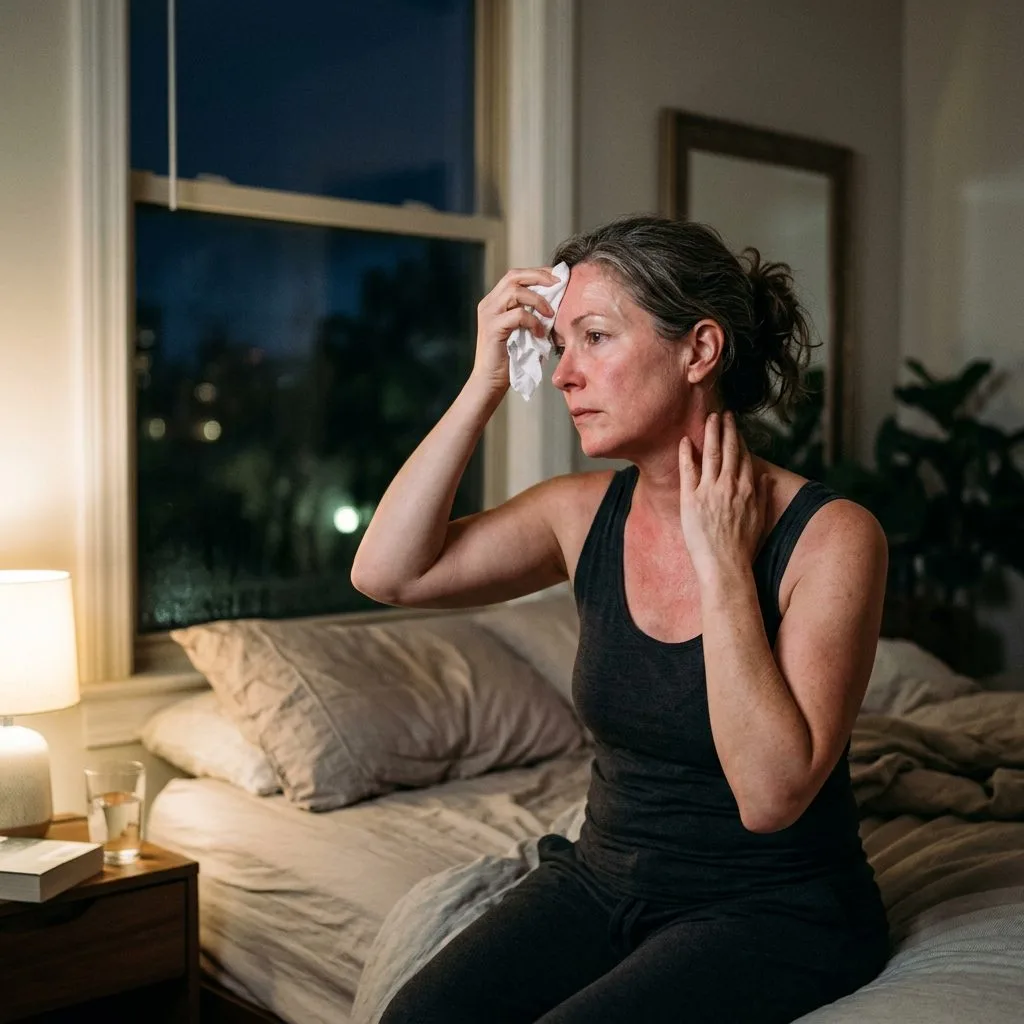
Generalized anxiety disorder (GAD) is persistent, excessive worry about everyday things — work, health, family, money — that's hard to control and interferes with daily life. It often comes with physical symptoms: muscle tension, sleep trouble, fatigue, and irritability.
Anxiety disorders affect about 1 in 5 US adults each year. They're highly treatable — most people see significant improvement with the right combination of therapy and/or medication.
If you've been worrying excessively for 6+ months and it's affecting work, relationships, or sleep, getting evaluated is reasonable. SSRIs work for many people, and CBT (cognitive behavioral therapy) has strong evidence — they pair well together.
Do I have anxiety? Common signs
If most of these describe what you're experiencing, telehealth may be a good next step:
What causes it
Anxiety usually comes from a mix of genetics, brain chemistry (serotonin and GABA pathways), stressful life events, and learned thought patterns. Childhood trauma, chronic medical conditions, substance use, certain medications, and thyroid problems can all contribute. Caffeine and alcohol commonly worsen it.
Is it contagious?
No, anxiety is not contagious — though stress in close relationships can ripple.
Anxiety treatment isn't about making you not care — it's about making the volume manageable so you can function.
Can it be treated online?
Mild to moderate generalized anxiety, mild panic symptoms, and situational anxiety are good fits for telehealth. A clinician evaluates your symptoms, history, and risk factors, and can prescribe SSRIs, SNRIs, or buspirone, plus refer to therapy. Telehealth is NOT appropriate for severe anxiety with suicidal thoughts, active panic disorder requiring rapid escalation, substance use issues, or significant trauma — those need in-person psychiatric care.
How anxiety is treated
SSRIs like sertraline (Zoloft), escitalopram (Lexapro), and paroxetine are first-line — they're not addictive and work for 60–70% of people. Full effect takes 4–6 weeks. Buspirone is a non-addictive alternative. Hydroxyzine can be used for as-needed anxiety. Benzodiazepines (Xanax, Ativan) are NOT first-line because of dependence and rebound — most clinicians avoid them or use them very short-term. CBT is highly effective and pairs well with medication.
Self-care while you wait
- Cut back on caffeine — even moderate amounts can worsen anxiety
- Regular aerobic exercise — meaningfully reduces anxiety symptoms
- Sleep 7–9 hours consistently
- Limit alcohol — it disrupts sleep and worsens next-day anxiety
- Try a structured app: CBT-based apps have real evidence
- Breathing exercises: box breathing (4 in, 4 hold, 4 out, 4 hold) works in minutes
- Talk to someone — even one trusted person reduces the load
How long does it last?
GAD is usually chronic without treatment. Most people on SSRIs feel meaningfully better in 4–6 weeks and stay on for at least 6–12 months after symptoms resolve to prevent relapse. CBT skills last — they remain useful after treatment ends.
Frequently asked questions
Will I have to take medication forever?
Not necessarily. Many people take SSRIs for 6–12 months past symptom resolution, then taper off with their clinician. About half stay symptom-free after stopping; others benefit from longer-term treatment. It varies widely.
Do SSRIs change my personality?
No. The goal is to reduce the anxiety and the physical symptoms — your personality and judgment stay yours. If you feel emotionally flat or 'not yourself,' that's a side effect worth flagging — sometimes another SSRI works better.
How do I know if it's anxiety vs depression?
They overlap a lot — about half of people with one have the other. Common SSRIs work for both. A clinician can help sort out the predominant pattern.
Is therapy actually necessary if I'm taking meds?
Therapy isn't required, but the evidence strongly favors combining CBT with medication — they work on different parts of the problem. Many people get to a better place with therapy alone.
Can I get Xanax or Ativan online?
Usually no. Benzodiazepines are controlled substances with high abuse and dependence potential — most telehealth platforms (including ours) don't prescribe them. They're better managed by an in-person psychiatrist when needed.