What is insomnia?
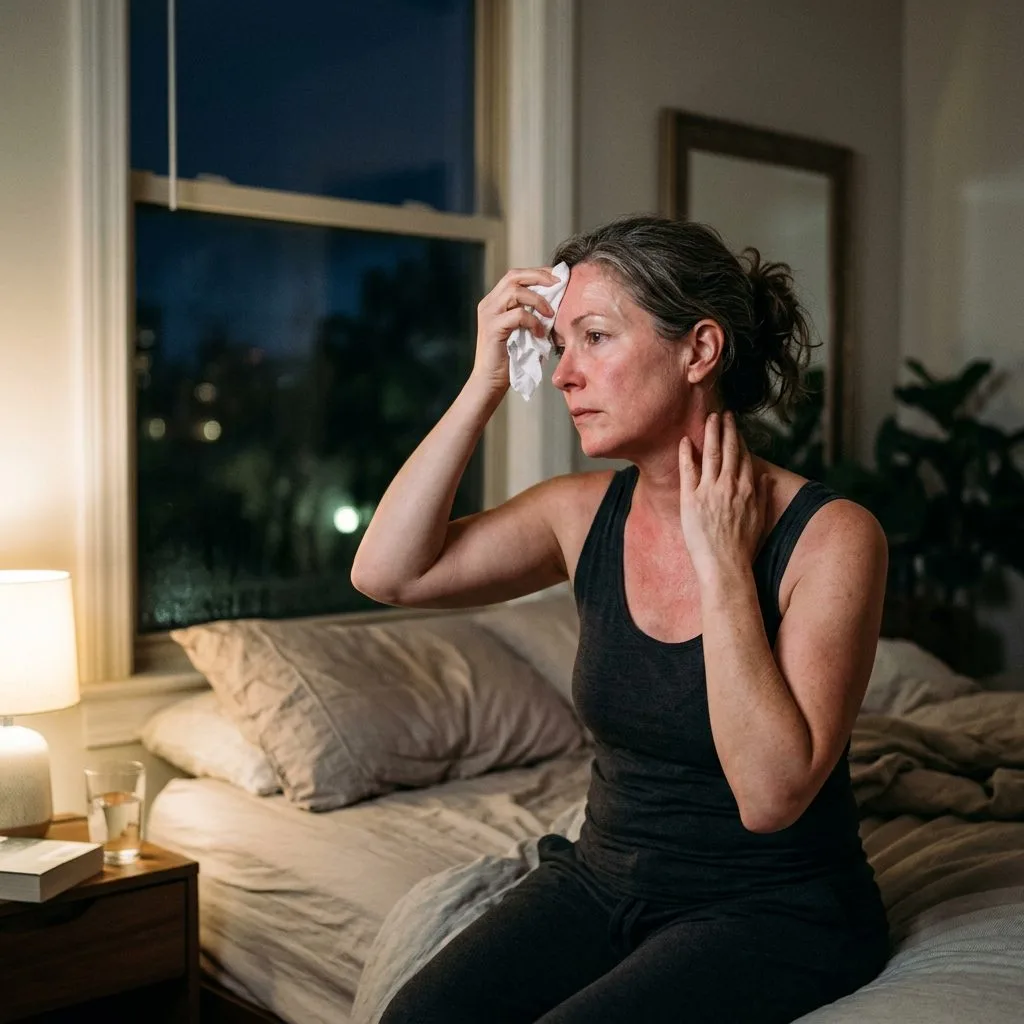
Insomnia means trouble falling asleep, staying asleep, or waking too early — and feeling tired the next day — at least 3 nights a week for 3 months or more. It affects about 1 in 3 adults at some point and is one of the most common reasons people see a doctor.
Acute insomnia (less than 3 months) is often situational — stress, jet lag, illness. Chronic insomnia is its own diagnosis and the standard of care is CBT-I, which is more effective than medication long-term. Medication can be helpful short-term while behavioral changes take hold.
If you've been struggling to sleep for weeks, telehealth can help sort out what's driving it and prescribe a non-addictive sleep aid while you implement behavior changes.
Do I have insomnia? Common signs
If most of these describe what you're experiencing, telehealth may be a good next step:
What causes it
Stress, anxiety, depression, irregular sleep schedules, shift work, caffeine and alcohol, screens in bed, medical conditions (GERD, sleep apnea, restless legs, chronic pain), medications (steroids, decongestants, some antidepressants), and menopause are common drivers. Long-term insomnia often becomes self-perpetuating — anxiety about sleeping creates more sleeplessness.
Is it contagious?
No.
The single most evidence-backed treatment for chronic insomnia is CBT-I, not medication — and it’s available through apps.
Can it be treated online?
Most insomnia is well-suited to telehealth. A clinician evaluates sleep patterns, possible underlying causes, and screens for sleep apnea symptoms (snoring, witnessed pauses, daytime sleepiness). For uncomplicated insomnia, they prescribe a short course of a non-addictive sleep aid plus refer to CBT-I. Telehealth is NOT appropriate if you have classic sleep apnea symptoms (loud snoring + witnessed apneas + daytime sleepiness) — that needs a sleep study. Also not appropriate for severe insomnia with significant safety concerns (falling asleep driving).
How insomnia is treated
CBT-I (cognitive behavioral therapy for insomnia) is first-line and most effective — available through apps like CBT-i Coach. For medication, non-addictive options are preferred: low-dose trazodone (25–100mg), doxepin (3–6mg), or ramelteon. Z-drugs (zolpidem/Ambien, eszopiclone/Lunesta) are reserved for short-term use because of dependence and complex sleep behaviors. Over-the-counter melatonin (0.5–3mg) helps with circadian-rhythm issues, less so with classic insomnia.
Self-care while you wait
- Consistent wake time — even on weekends
- No screens in bed — light disrupts melatonin
- Cut off caffeine after noon
- Keep the bedroom cool, dark, and quiet
- Don’t lie in bed awake more than 20 minutes — get up, do something boring, come back when sleepy
- Bed for sleep and sex only — no working or watching TV in bed
- Limit alcohol — it fragments sleep even when it knocks you out initially
- Aerobic exercise during the day, not within 3 hours of bed
How long does it last?
Acute insomnia often resolves when the trigger does. Chronic insomnia is best treated with CBT-I, with benefits that outlast treatment. Medication is usually short-term (2–4 weeks) while you implement behavioral changes.
Frequently asked questions
Is melatonin enough for chronic insomnia?
For most adults with classic insomnia, melatonin alone isn't very effective — it's better for circadian rhythm issues like shift work or jet lag. Lower doses (0.3–1mg) often work as well as higher doses.
What about Ambien or Lunesta?
Z-drugs work but can cause dependence and complex sleep behaviors (sleep-eating, sleep-driving). Most clinicians use them very short-term, if at all. We typically prefer low-dose trazodone or doxepin.
Should I take a nap if I didn't sleep last night?
Generally no — naps reduce sleep pressure and make tonight harder. If you must nap, keep it under 20 minutes and before 3 PM.
Will my insomnia ever go away?
With CBT-I, the majority of people significantly improve and many fully resolve. Medication alone tends to keep things at bay only while you're taking it.
Could it be sleep apnea?
If you snore loudly, wake gasping, or feel exhausted despite spending enough time in bed, yes — sleep apnea is worth ruling out. It's not classic insomnia and needs different treatment.