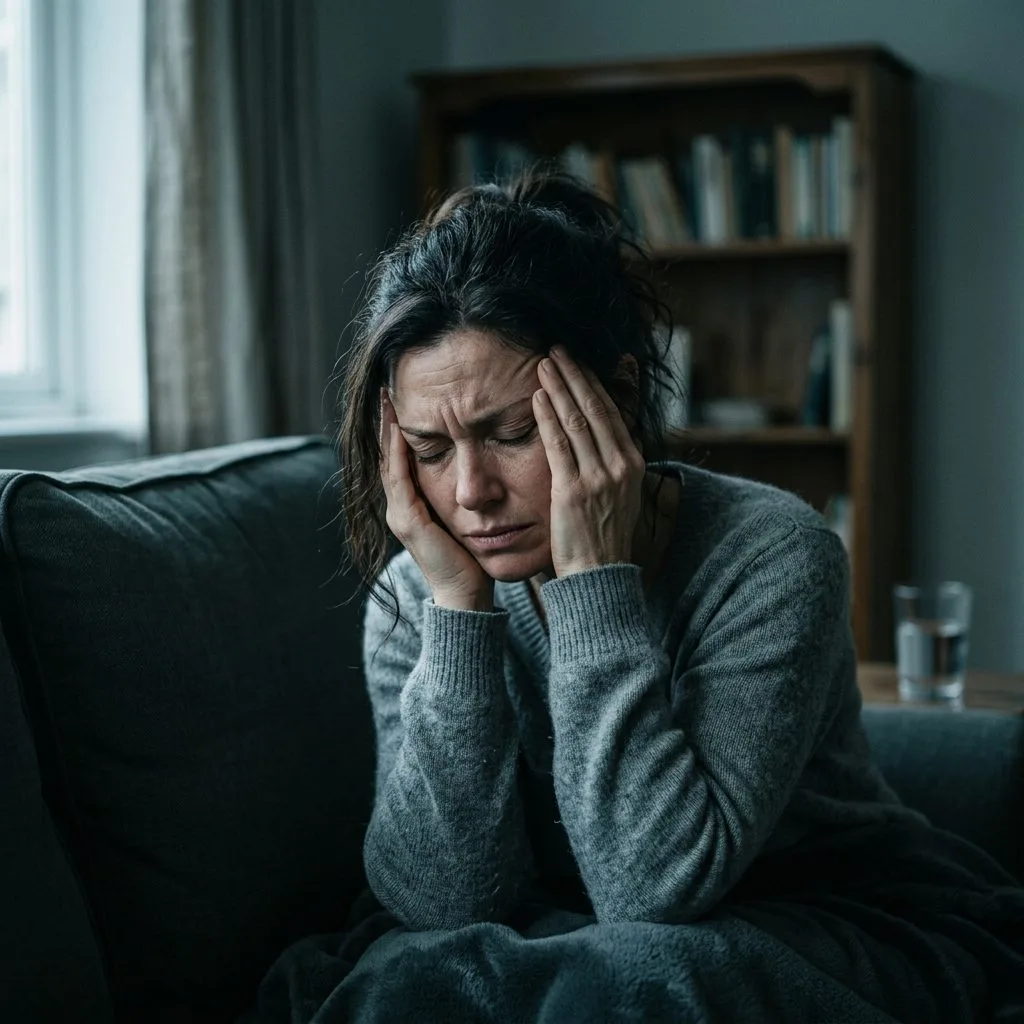
A headache, nausea, fatigue, and that wiped-out feeling the morning after drinking is a hangover — largely from dehydration, poor sleep, and alcohol's by-products. The most useful step is rehydration: water or an electrolyte drink, plus a balanced meal, rest, and an anti-inflammatory like ibuprofen for the headache (avoid acetaminophen after heavy drinking, which is harder on the liver). Time is the only real cure; most hangovers fade within 24 hours. A licensed clinician can review persistent or severe symptoms online and prescribe anti-nausea relief when appropriate.
Seek emergency care if: you have repeated vomiting and can't keep fluids down, chest pain, confusion, a seizure, or shakiness and tremor (signs of alcohol withdrawal), or you suspect alcohol poisoning — call 911.
See a clinician nowWhat is hangover?
Hangover is the constellation of symptoms — headache, nausea, fatigue, dehydration, anxiety — after heavy alcohol consumption. It peaks 8–14 hours after drinking and usually resolves within 24 hours.
Causes include dehydration, electrolyte loss, inflammation, mild withdrawal, congeners (impurities in dark liquors), and disrupted sleep. The only sure prevention is moderation. Multiple OTC and Rx options help symptoms.
Do I have hangover? Common signs
If most of these describe what you're experiencing, telehealth may be a good next step:
What causes it
Direct alcohol effects: dehydration (alcohol is a diuretic), low blood sugar, sleep disruption, GI irritation, vasodilation. Acetaldehyde — toxic alcohol metabolite. Congeners in dark drinks worsen symptoms. Withdrawal-like effects in heavy drinkers.
Is it contagious?
No.
The single most effective prevention isn't water — it's drinking less alcohol. Water helps but doesn't fully prevent next-day symptoms.
Can it be treated online?
Routine hangover is treatable by telehealth — antiemetics, anti-inflammatories, electrolyte advice. Severe vomiting with inability to keep fluids down, chest pain, severe abdominal pain, or signs of alcohol withdrawal (tremor, seizure) need in-person care.
How hangover is treated
Hydration: electrolyte solutions (Pedialyte, Liquid IV, coconut water). NSAIDs: ibuprofen for headache and inflammation (avoid acetaminophen with heavy drinking — liver risk). Ondansetron for severe nausea. Vitamin B complex — alcohol depletes B vitamins. Caffeine in moderation can help headache, may worsen anxiety.
Self-care while you wait
- Sleep — let your body recover
- Hydrate steadily, not all at once
- Electrolyte drinks
- Bland foods when ready (toast, banana)
- Avoid more alcohol ("hair of the dog" delays recovery)
- Light walk if able
- Cool dark room for headache
- Time is the only true cure
How long does it last?
Most hangovers resolve in 24 hours. Severe ones can linger 48 hours.
Frequently asked questions
Does drinking water before bed help?
Helps but doesn't fully prevent. Drink water alongside alcohol, not just at end of night.
Is the 'best' hangover cure really exercise?
Mild exercise can help — improves mood and metabolism. Heavy exercise while dehydrated is risky.
Why are dark liquors worse?
Congeners (impurities like methanol, acetaldehyde) in dark liquors worsen hangovers compared to vodka or gin.
Is hangover related to alcohol use disorder?
Frequent hangovers suggest heavy drinking patterns. Discuss with clinician if drinking affects life or you can't cut back.
Should I take Tylenol?
Avoid acetaminophen with heavy drinking — combined liver risk. Ibuprofen safer for occasional use; can irritate stomach.