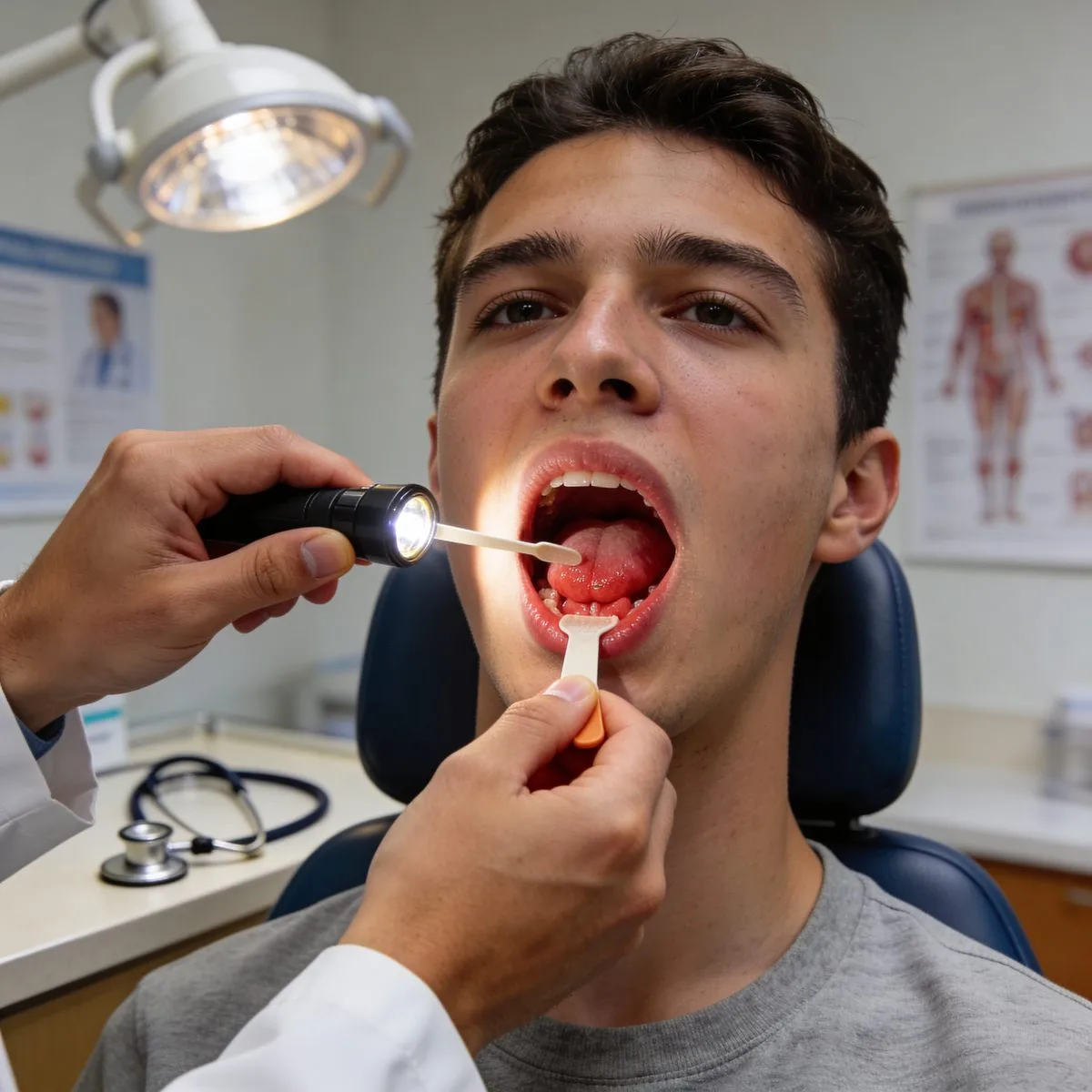
What is dental pain and abscess?
Dental abscess is a pocket of pus around a tooth caused by bacterial infection — usually from untreated tooth decay, gum disease, or trauma. It causes severe localized pain, swelling, and sometimes facial swelling, fever, or trouble opening the mouth.
Dental pain without abscess is also common — from cavities, cracked tooth, gum disease, sinusitis (upper molars), or grinding. Telehealth's role is bridging — providing antibiotics for active infection and pain control while you arrange to see a dentist. The dentist needs to address the underlying problem; antibiotics alone don't fix it.
Left untreated, dental infections can spread to surrounding tissues, sinuses, or rarely the bloodstream — Ludwig's angina is a serious complication that can compromise the airway.
Do I have dental pain and abscess? Common signs
If most of these describe what you're experiencing, telehealth is a reasonable next step:
What causes it
Most dental abscesses come from untreated dental decay or gum disease that allows bacteria to penetrate the tooth's pulp or surrounding tissues. Risk factors include poor oral hygiene, high sugar diet, dry mouth, diabetes, immune suppression, and trauma. The bacteria involved are typically a mix of normal mouth flora.
Is it contagious?
Dental abscesses themselves aren't contagious. The underlying poor oral hygiene or shared eating utensils can spread cavity-causing bacteria within households, but the abscess is your own infection.
Telehealth can buy you time and comfort — but a dental abscess always needs definitive dental treatment.
Can it be treated online?
Telehealth can be a great bridge to dental care. A clinician can review your symptoms, check for systemic signs of spread (fever, facial swelling, lymph nodes), prescribe appropriate antibiotics if active infection is suspected, prescribe pain relief, and advise you on how urgently to see a dentist. We do not perform the dental work — but we can keep you comfortable and prevent spread while you arrange the dentist visit.
How dental pain and abscess is treated
Antibiotics for active infection: amoxicillin is first-line; clindamycin for penicillin-allergic patients. Penicillin-clavulanate or metronidazole are sometimes added for severe cases.
Pain control: ibuprofen 400–600 mg every 6 hours works well for dental pain. Acetaminophen can be added. Topical benzocaine gel for limited relief. We avoid prescribing opioids except in very specific cases.
Definitive treatment requires a dentist: drainage of the abscess, root canal, or tooth extraction. Antibiotics don't cure the underlying problem.
Self-care while you wait
- Take ibuprofen 400–600 mg every 6 hours as directed (if no contraindications)
- Apply a cold compress to the outside of the face — 15 minutes on, 15 minutes off
- Rinse with warm salt water several times a day
- Avoid extreme hot or cold foods/drinks
- Sleep with head elevated
- Eat soft foods and chew on the opposite side
- See a dentist as soon as possible — don't skip even if pain improves
How long does it last?
With appropriate antibiotics, pain typically improves within 24–48 hours and swelling resolves within 3–5 days. But without dentist follow-up to address the underlying problem (root canal, extraction, etc.), the infection will return.
Frequently asked questions
Can I treat this without a dentist?
No — antibiotics buy you time and reduce immediate infection, but they don't fix the underlying tooth problem. You need a dentist to drain the abscess, do a root canal, or extract the tooth.
Why won't the dentist see me today?
Same-day dental urgent care is limited in many areas, especially evenings, weekends, and rural locations. Many dentists do reserve emergency slots — call several. Hospital ERs can manage severe infections but generally can't do the dental work itself.
What pain relief works for dental pain?
Ibuprofen 400–600 mg every 6 hours (with food, if you have no kidney or stomach contraindications) works better for dental pain than acetaminophen because of the inflammatory component. Combining ibuprofen with acetaminophen at different timing can be more effective than either alone.
Can a tooth infection spread to the brain?
It's rare but possible. Upper tooth infections can rarely spread to the sinus or even to the brain via the cavernous sinus. Lower tooth infections can spread into the neck. Any high fever, severe facial swelling, vision changes, or neurologic symptoms — go to ER immediately.
I keep getting dental abscesses — why?
Recurrent dental abscesses suggest ongoing dental disease — untreated decay, periodontal disease, or sometimes immune issues. The fix isn't more antibiotics; it's comprehensive dental care.